




Rapper Ice-T Speaks Facts About Music Streaming
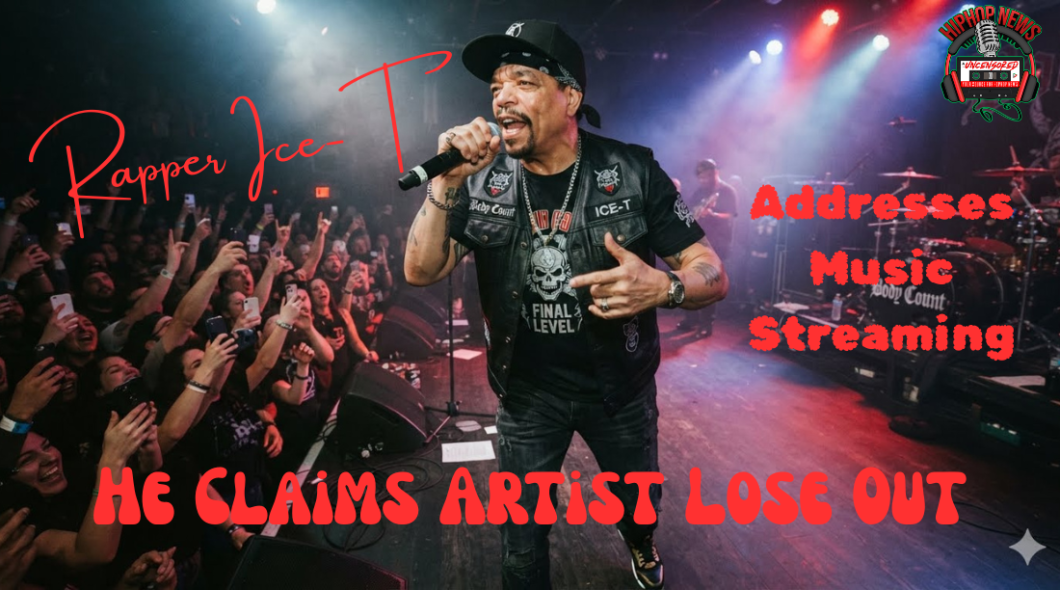
Rapper Ice-T Speaks Facts About Music Streaming. Ice-T emerged in the 1980s as a pioneer of West Coast gangsta rap, gaining widespread acclaim with albums like Rhyme Pays and O.G. Original Gangster alongside his heavy metal band Body Count. He smoothly transitioned into screen acting, most notably cementing his legacy as television’s longest-running male series actor portraying Detective Fin Tutuola on NBC’s Law & Order: Special Victims Unit.
The Shift from Physical Sales to Streaming Economics
The modern music industry operates under a vastly different model. It is very different than the era when physical album sales dominated. Legendary hip-hop icon and Law & Order: SVU star Ice-T has stepped forward with unfiltered commentary. He is pointing out the harsh economic realities of current music streaming platforms.
Understanding Streaming Royalty Structures
For decades, artists relied on physical record sales—CDs, cassettes, and vinyl. That was how they were paid. A single transaction directly returned a predictable dollar amount to rights holders. In the streaming landscape:
-
Fractional Payouts: Platforms like Spotify pay an average of $0.003 to $0.005 per stream.
-
Massive Volume Requirement: An artist requires hundreds of thousands of plays every month simply to generate a basic living wage.
-
Label Middlemen: Revenues pass through labels and publishers before ever reaching the independent creator.
Ice-T highlights that millions of streams give off the illusion of massive success, yet fail to translate into financial stability for creators who lack direct ownership.
Key Takeaways from Ice-T’s Industry Breakdown
-
Streams Do Not Equal Revenue: Millions of digital plays look impressive on social media, but payout structures dilute actual earnings.
-
The Shift to Live Income: Because streaming yields low direct compensation, artists must rely almost entirely on touring, merchandise sales, and live performances to sustain their careers.
-
Pivoting to Independent Ownership: Ice-T emphasizes ownership over vanity metrics, encouraging creators to explore direct-to-fan monetization platforms and ad-supported models (such as his own OG Network) to retain control over their content.
Final Words on Music Survival
Ice-T’s perspective cuts straight through the noise: without owning your masters and building direct distribution channels, relying solely on mainstream streaming payouts is a losing strategy for independent artists.
If you want to hear Ice-T speak on his journey and how he approaches the music business, check out Ice-T Tells It All: Rap Origins, Industry Politics & Survival, where he breaks down his career history and industry experiences.